Insights on Production & Activation Processes
Building toward public exhibit and engagement by centring production mentorship, caring critique and participatory curation.
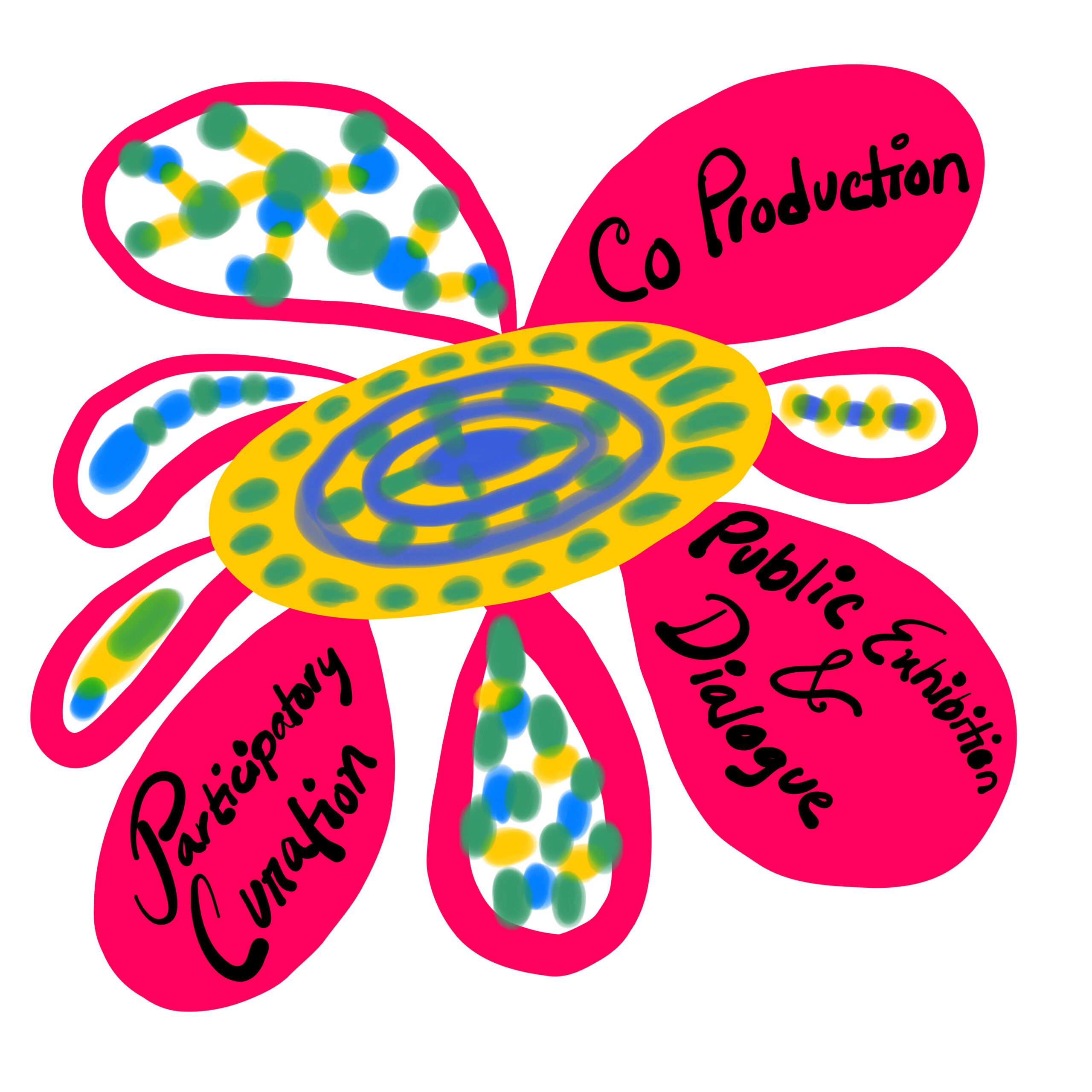
Co-Production
To create conditions for production rooted in our team values and processes we developed a 12-week production co-mentorship arc.
We started with guidance on accessibility needs and learning from the art + disability organization Tangled Arts. This captivating talk focused not just on functional aspects of access, but also on ideas of accessibility aesthetics, and considering how works might appeal to diverse tactile, visual, audio and other sensorial experiences.
We were motivated by these notions to deepen ideas for equitably strengthening aesthetic elements of the artworks.
Another key element of production planning became sourcing a space for exhibition. Many interesting possibilities were explored, from more traditional arts and cultural spaces like the Art Gallery of Ontario, to more radical approaches like renting a house and having different artists animate different rooms and spaces.
Eventually, through a combination of aesthetic and budgetary considerations, we settled on interest in an urban/warehouse type exhibition space.
A strong desire emerged for disrupting normative arts and cultural hierarchies by exhibiting outside of institutional arts spaces.
We found an exciting former bodyshop/garage space on Geary Avenue in downtown Toronto, a once industrial area that had for some time been attracting community-driven arts activities and activations.
With space acquired, the artists felt a new urgency to create and realize their ideas, expressing excitement and impatience to make, marked by some reluctance and unknowing.
We developed a “caring critique/feedback process”. This involved five artists per group session bringing specific pieces of work in development to share with the team, for response, guidance, insight, etc.
Guiding questions for these caring feedback sessions centered on the broader project goals of informing and impacting social discourse and change from perspectives of young QT/BIPOC artists.
How is my process going? What am I learning/noticing?
How am I connecting to themes of social change, and advocacy?
How am I planning for the final production and timeline?
What social change or transformation am I making with my artwork?
How am I using art wisely, caringly, pointedly, politically?
Participatory Curation
These production and feedback processes (and the impending exhibition deadline!) served to spark the artists to make, and to develop further connections between their artworks and ideas. Increasingly they expressed taking inspiration from one another, and increasingly their work could be read as in dialogue with each other, and with the identified themes of identities, land and spirit.
Storyings of migrations, land-based and socio-environmental resistances, queering and Indigenizing futurisms.
We began to move into a kind of group participatory curation. With personal ideas and works iterating to take on more and more interconnected and community-engaged dimensions, rooted in an expressed sense of collective care.

Lannii Pettiford used her deep skill and wisdom as a poet and creative writer to curate an overall cohesive frame for the group show. True to the project, Lannii employed a participatory poetic process, by first gathering words/statements/expressions about the exhibit from her fellow artists, and then using these to develop a beautiful, poetic curatorial statement.
Public Exhibition + Dialogue
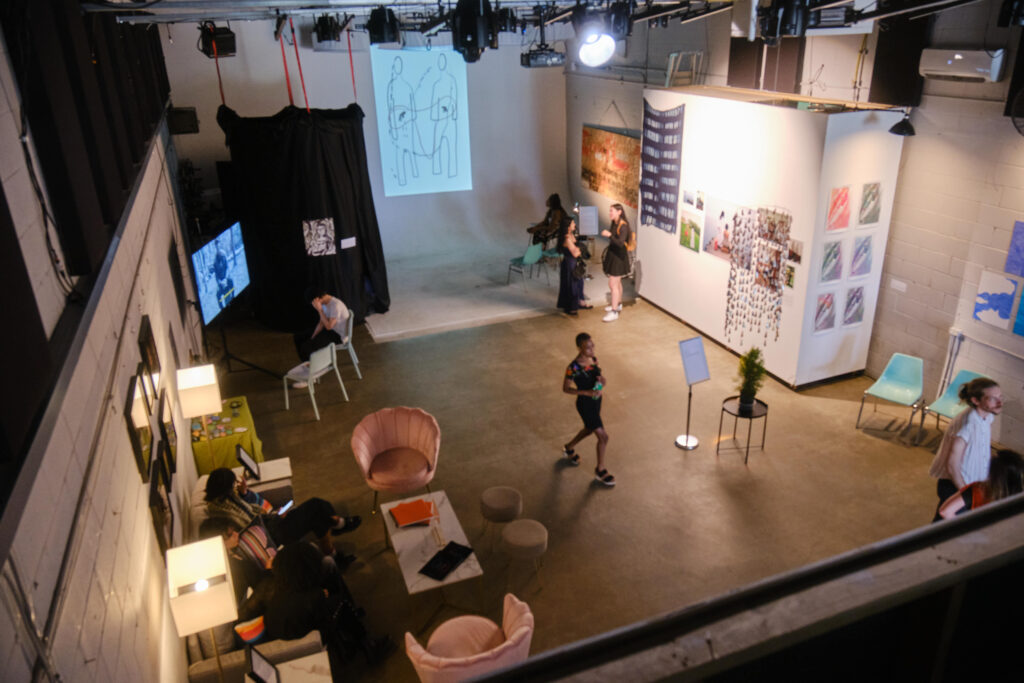
The resulting exhibition – Trajectories of Now – was a thrilling experience, comprising the pieces profiled throughout this guide.
Over three days we hosted over 300 people, from across Toronto’s diverse cultural and activist communities, grassroots QT/BIPOC and community arts organizations, and arts and cultural sector.
Trajectories also featured a full program of performances, talks and tours by the artists. In which the artists voiced their creative drives and advocacies in the most clear and powerful ways since the project began.

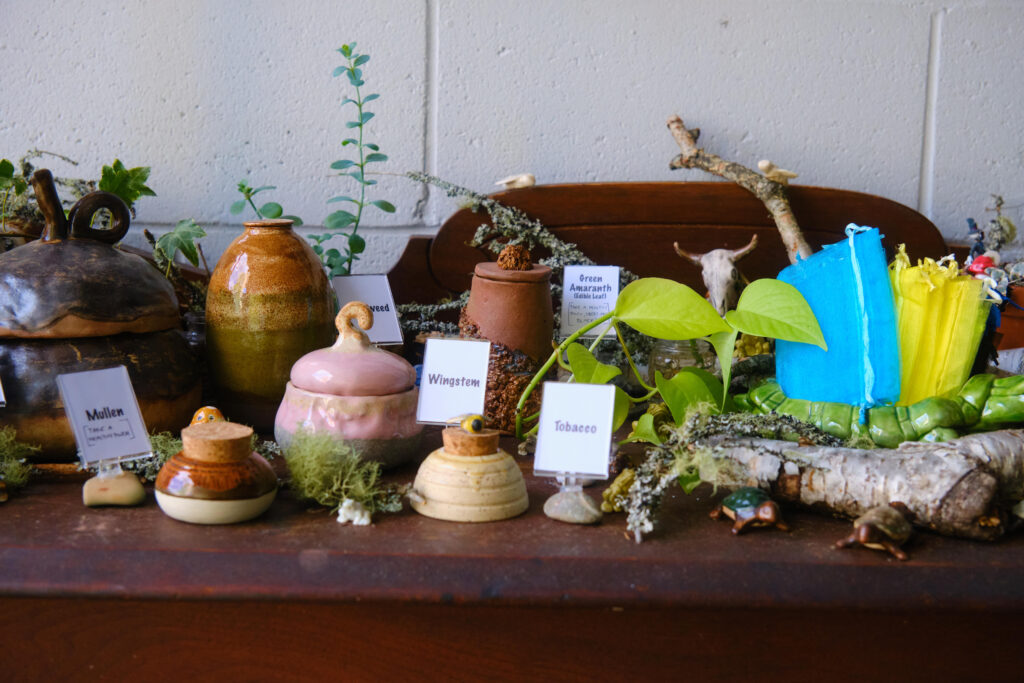
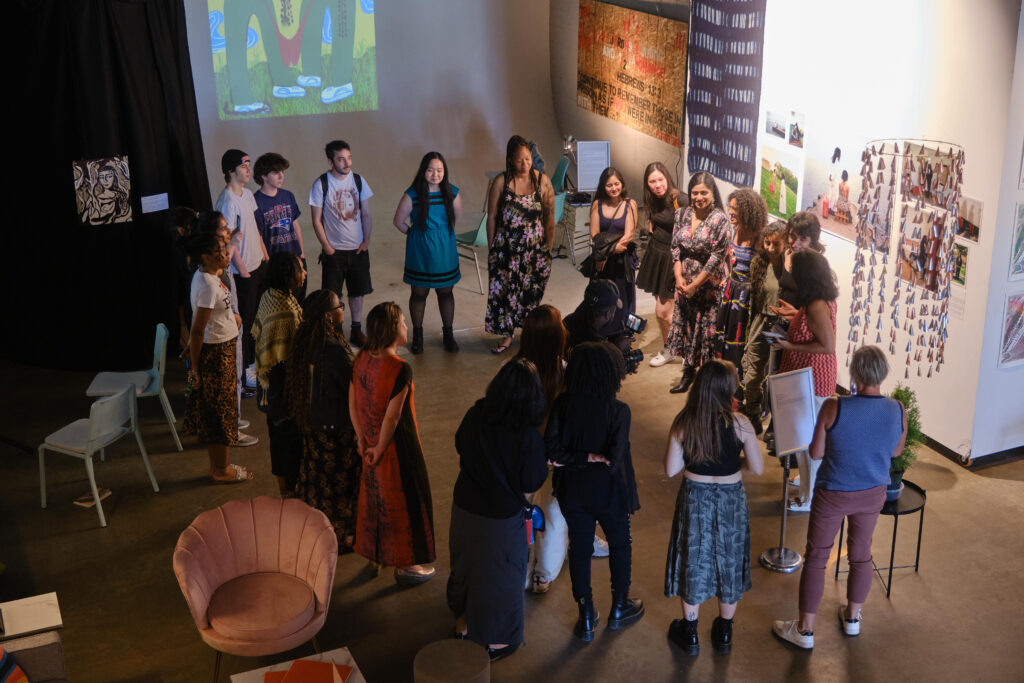


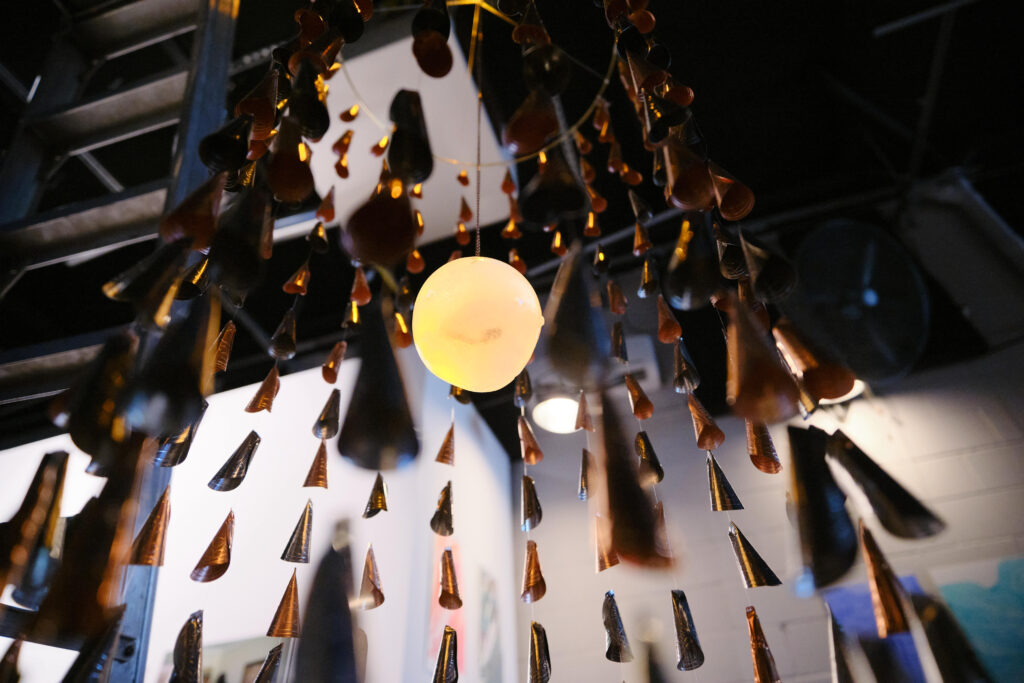
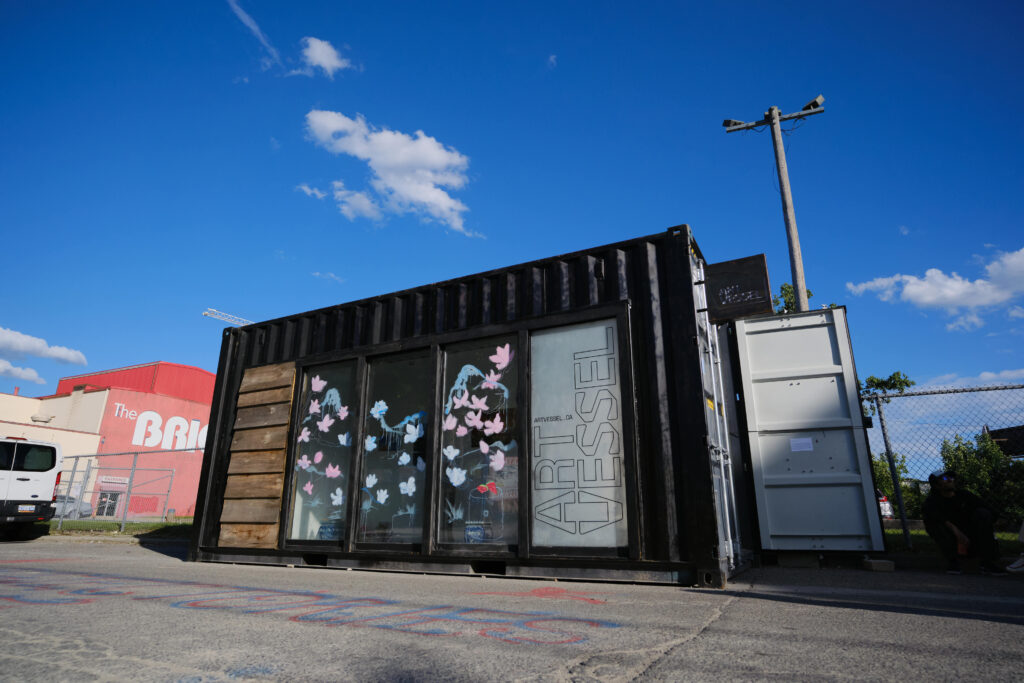

A palpable growing sense of voice and leadership was felt and expressed from the first day of the exhibition to the final day.
The deep engagement and powerful community leadership exhibited by the artists, and reflected back by the engagement of the public, surfaced impactful learnings on aesthetics of advocacy.
The artists expressed the power of coming together as a collective, to overcome doubt and uncertainty, to share and express deeply felt creative works and advocacies. And witness one another, through the realization of each other’s works and visions, in a process of relational becoming.
Trajectories of Now was a transformative experience. The incredible works show what's possible when artists are given the room to speak from the point of truth. As an artist-researcher, I got the chance to share my own reflections through work shaped by longing, dreams and resilience that have been part and parcel of my journey.
RRR Artist Researcher Bernice Mwaura